
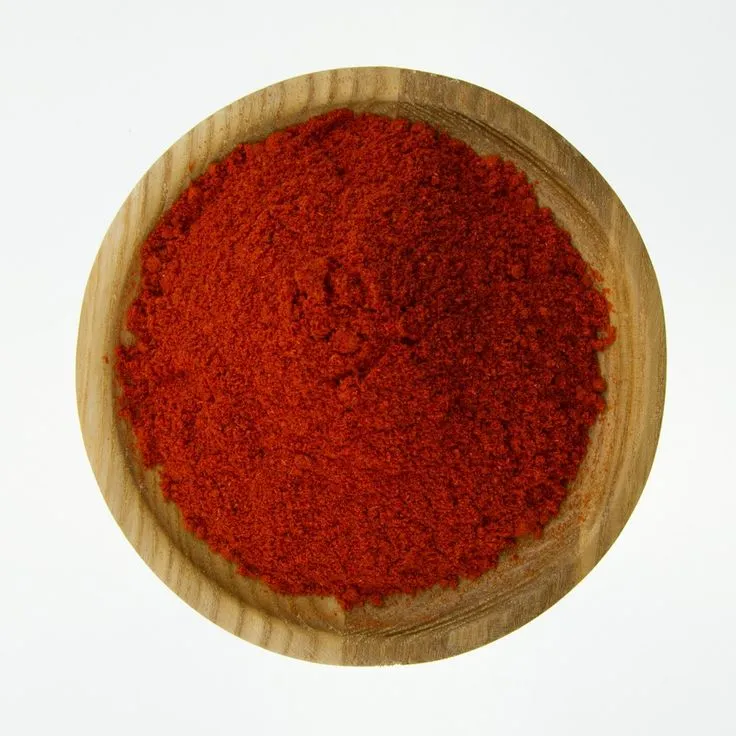
Food manufacturers are always seeking natural ingredients that can give them appealing colors and that can easily integrate into various formulations. The warm yellow, orange, and reddish colors of annatto make it a valuable food color used in different food and beverage categories based on the color needed and the product attributes. Knowledge of its source, application and formulation requirements can aid in making informed ingredient selection decisions.
What Makes Annatto Useful for Food Coloring?
Annatto comes from the achiote plant, a species that has naturally occurring pigments that give it its color. Annatto food color is used to give products a range of colors from yellow and orange to dark colors, due to these pigments.
The final products may vary depending on the ingredient itself, concentration, food matrix and processing conditions. Therefore, manufacturers have an advantage in testing an annatto ingredient in the product it’s intended to go into, rather than choosing it just because it is there in isolation.
Exploring Annatto Food Color Applications
Less bright colors can be used for products where warm, natural colors work well with the final product and can be investigated through annatto. Some potential uses include dairy products, cheese, sauces, snacks, baked goods, candy and drinks.
With each application, there is a separate formulation environment. A product such as dairy might need an alternative color strategy to a beverage, and baked foods can also use heat in the processing. Starting to know the product will help the developer choose the most appropriate color format and application approach.
Manufacturers also have the opportunity to consider the desired shade. If the color is light golden, you might need a lighter concentration or a different ingredient to get the color that you are looking for.
Understanding the Ingredient Source
When choosing ingredients for commercial production, it is important to consider the source of a natural color. Annatto Extract is sourced from a well-known botanical source, which makes it an interesting ingredient for manufacturers seeking to create products with naturally derived color ingredients.
The extract used or the preparation made can affect the color performance. The developer can thus consult technical data regarding the use of the ingredient, its concentration, format and handling recommendations.
This process can be easier if you have the help of an experienced ingredient specialist who can give you information based on the product being developed.
Consider Processing Conditions
When choosing a food color, consideration should be given to the conditions under which it will be used in production. Color appearance and functionality may also be affected by factors like pH, temperature, light, mixing and storage.
Manufacturers can perform small trials with conditions that are applicable to his/her commercial process. This allows you to see what happens to the color in the final product and whether any changes are beneficial.
In particular, application testing can be of great value when creating a new product. It assists teams in developing a general color concept into a practical formulation that can be applied in regular production.
Choosing Between Different Color Formats
Different forms of natural colors can be used, and these will vary with the specific food system and production. Some formulations are easier to prepare as a liquid, others are more easily processed as a powdered ingredient.
The color should be considered during manufacture with reference to the method of color addition, dispersion, mixing and measurement. The order of the equipment and ingredients may also affect the desired format.
Trials of different approaches will provide development teams with an idea of what may look best and how they can handle it efficiently.
Building a Consistent Color Strategy
Specs help a lot in big food plant work. Once you pick the right annatto type, teams can write down the exact hue, job use, drop rate, and heat steps.
Keeping these facts set helps plant crews make every batch look the same time after time. In addition, it can also help to streamline future product development if the same color source is used for products with similar applications.
Conclusion
Warm, naturally acquired colors are available for food and beverage manufacturers through Annatto, with a variety of applications. Keep these points in mind when you pick your mix items. They help guide a maker to the best pick for a new recipe, while also looking at shelf heat and final look. If you need bright color from Annatto, go to foodrgb.comtoday. You can find the right items there and take a big next step in your job.
About the Author


