
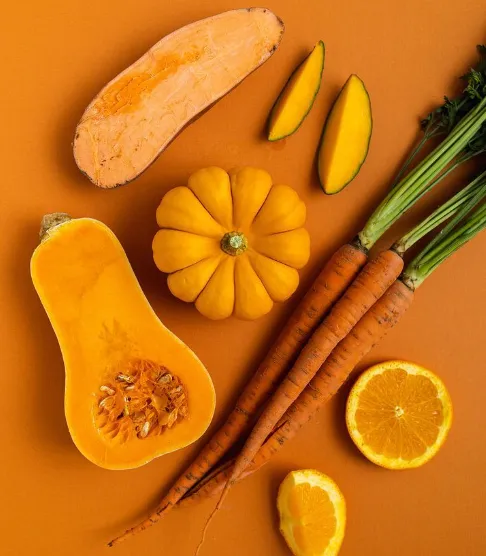
Modern food companies now pay closer attention to ingredient sourcing and product appearance together. Customers notice packaging visuals immediately before reading flavor descriptions or nutrition information carefully afterward. Because of this shift, every serious food color manufacturer now studies changing market preferences more actively than before. Many brands also request natural orange food coloring for snacks, bakery items, beverages, and frozen products with cleaner ingredient positioning. Product developers often test color consistency, material compatibility, and shelf behavior before selecting commercially final color structures.
Manufacturing facilities need stable ingredient handling procedures always
Dyes must flow through production lines without mixing up or creating garish headaches later. Powder sizes, liquid composition, and oil-dispersed variations all require special treatment through all strategies through industrial manufacturing processes. A specialist food coloring manufacturer can usually cope with technical aspects of temperature mixing, moisture management, usability of whole dishes, and standard performance. Now, many companies choose herbal orange food coloring because plant-derived sunscreens help add identity to clothing, but labeling is important. The previous conditions apply.
Orange shades appear frequently across several packaged food categories
Cheese snacks, flavored popcorn, pastry cream, sauces, dessert skins, and drinks are often basically visually based on temperature and orange tones. A bright product appearance allows packaged foods to quickly attract interest in crowded pantries every single day. Some growers request custom natural orange food coloring blends for seasonal launches during the development phase or for special branding needs. A professional Food Colours manufacturer can also change the focus block in production batches to match recipe size, oxygen stability, and desired shade intensity. Visual engagement is deeply important to the patrons’ next iterations.
Ingredient sourcing decisions now affect marketing strategies too
Now, more and more marketing companies are participating in birthday party election debates at major domestic catering companies worldwide. Cleaner birthday party language makes it possible to make targeted advertising and marketing campaigns now with regular transparency and modern customer expectations. Many manufacturers choose natural orange as a suitable choice for human consumption colors because vegetable- and fruit-derived colors look more familiar on wine labels. At the same time, every food colorant manufacturer must remember process balance, transportation conditions, and product holding life during industrial distribution. It best affects the production line and manufacturing performance now.
Smaller food brands also explore natural color alternatives regularly
Independent bakeries, joint beverage startups, and joint snack makers combined use more herbal flavors, and there are really fewer massive websites pushing smaller audiences to visually appealing items with social media ads. Occasionally resorting to natural, orange, and edible colors allows manufacturers to create a colorful look without relying entirely on synthetic components. A reliable food color manufacturer often assists businesses by recommending practical color formats matching existing production equipment and recipe structures. Product testing still remains necessary before expanding commercial distribution into larger retail markets.
Conclusion
Food coloring ingredients continue playing an important role across packaged food manufacturing, product branding, and customer purchasing behavior globally. foodrgb.com shares ingredient support and practical information for businesses searching for commercial coloring solutions suitable for modern food production systems. Companies working with a professional food color manufacturer usually evaluate ingredient compatibility, storage behavior, and production consistency before finalizing commercial supply decisions. Natural orange food coloring options remain increasingly relevant for brands wanting cleaner ingredient positioning alongside visually appealing products. Review technical specifications carefully, conduct proper manufacturing trials thoroughly, and consult experienced suppliers before scaling production commercially.
About the Author


